Delicious Food Watercolor
First Impressions: A Whiff of Flavor in Every Stitch
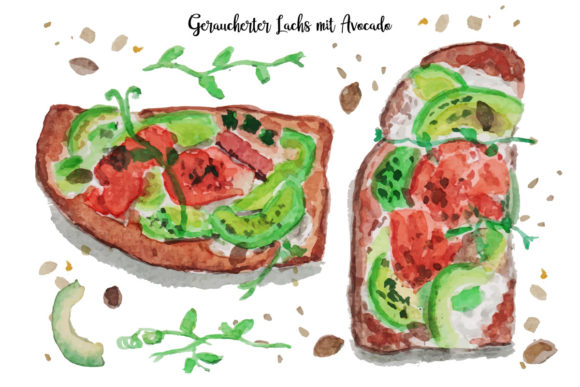
Delicious Food Watercolor immediately catches the eye with its soft, painterly aesthetic. The design feels like a hand-painted illustration, blending delicate lines and gentle shading that evoke the charm of a cozy kitchen or a bakery display. The theme is unmistakably food-related—think pastries, fruits, and desserts—but it’s rendered in a way that feels more artistic than literal. This makes it ideal for embroidery projects that aim to blend whimsy with elegance.
The layout is balanced, with enough negative space to prevent visual clutter while still offering enough detail to make the design stand out. It’s not overly busy, which means it can work well on a variety of items without overwhelming the fabric or the viewer’s attention.
Real-World Embroidery Use: Where Does Delicious Food Watercolor Shine?
When considering where to apply Delicious Food Watercolor, the possibilities are wide open. It fits naturally into custom apparel, especially tote bags and sweatshirts, where a subtle yet appealing design can elevate the overall look. For baby items, the soft watercolor style adds a gentle, nurturing touch that parents might find appealing. It also works well as an embroidered patch or a decorative accent on aprons and pillow covers.
One of the strongest use cases for this design is in personalized gifts. Whether it’s a tea towel for a cooking enthusiast or a holiday ornament, the design’s visual personality makes it feel thoughtful and unique. As a digital product, it could be used in printable mockups or as part of a downloadable embroidery file collection for craft businesses.
Where to Be Cautious: Design Limitations and Practical Considerations
While Delicious Food Watercolor is visually appealing, it’s not without limitations. Its intricate details may not translate well to small hoop sizes, where the complexity of the design could lead to stitching issues. Similarly, on textured or thin fabrics, the design might not show up as clearly as expected, especially if the thread colors don’t contrast well with the background.
On dark fabrics, the design might appear too muted unless the thread colors are carefully selected. Stretchy or layered garments could also pose challenges, as the embroidery may shift or lose definition over time. For curved surfaces like caps or hats, the design might require some adjustment to ensure it sits properly on the fabric.
Impact on Visual Appeal and Customer Perception
Delicious Food Watercolor has the potential to enhance the visual appeal of any project it’s used on. Its soft, illustrative style can add a sense of warmth and creativity, making the finished product feel more handmade and personal. This is particularly valuable for Etsy sellers or small shop owners looking to create unique, high-quality items that stand out in a crowded market.
From a customer perspective, the design can increase the perceived value of a product. A well-executed embroidery project using Delicious Food Watercolor can feel more professional and polished, encouraging buyers to see it as a premium item rather than a generic mass-produced one. It also helps build trust, as the attention to detail suggests care and craftsmanship.
Practical Tips for Embroidery Designers and Crafters
If you're planning to use Delicious Food Watercolor in your next embroidery project, there are several steps you should take to ensure success. First, always test the design on scrap fabric before committing to a final piece. This will help you assess how the design looks in different thread colors and on various fabric types.
Check the stitch density to make sure it’s appropriate for the fabric you’re using. Too dense, and the design might stiffen the material; too light, and it might not hold up over time. Confirm the hoop size required for the design, as this can affect how the embroidery is stitched and how it appears on the final product.
Inspect small details closely, especially around corners or areas with fine lines. These can sometimes get lost during the embroidery process. Testing the design in black and white mockups can also help you understand how it will look on different backgrounds, whether light or dark.
Use the right stabilizer for the fabric you’re working with. This will help keep the design from puckering or distorting. Finally, check the licensing terms before selling finished items or digital products, as this can vary depending on the source of the design.
Conclusion: A Versatile Design with Thoughtful Potential
Delicious Food Watercolor is a design that offers both aesthetic appeal and practical flexibility. Its soft, watercolor style makes it suitable for a wide range of embroidery projects, from custom apparel to personalized gifts. However, it’s important to approach it with care, especially when working with challenging fabrics or limited hoop sizes.
For embroidery designers, crafters, and small business owners, this design can be a valuable addition to their portfolio. With proper testing and consideration, it has the potential to enhance the quality and appeal of their work, helping them stand out in a competitive market.