Baby Animals Nursery Clipart Watercolor Illustrations
As a graphic designer with years of experience in branding, packaging, and digital design, I often seek out high-quality design assets that can elevate a project without overwhelming it. Baby Animals Nursery Clipart Watercolor is one such asset that offers a soft, whimsical aesthetic perfect for specific client needs. Its watercolor style brings a sense of warmth and charm, making it ideal for projects targeting parents, nurseries, or handmade businesses.
The First Impression: Softness and Whimsy
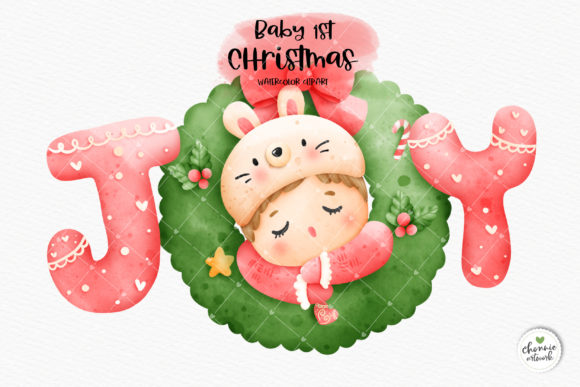
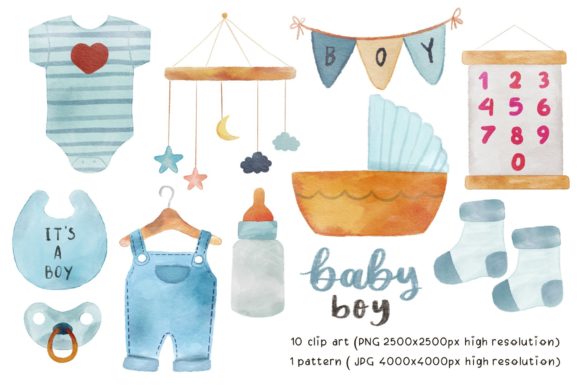
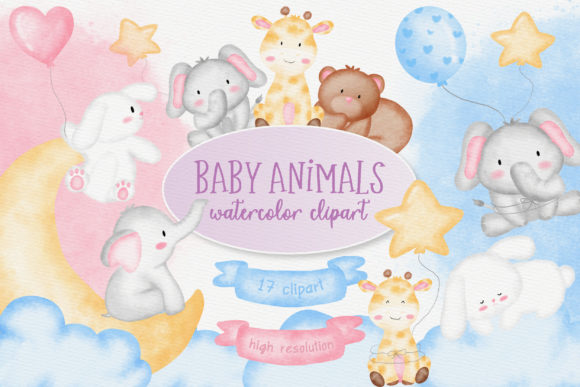
From the first glance, Baby Animals Nursery Clipart Watercolor exudes a gentle, playful energy. The illustrations are rendered in a traditional watercolor style, with subtle textures and muted color palettes. This gives the design asset a handcrafted feel that stands out from more rigid, digital illustrations. It’s not overly detailed, but the attention to small elements like fur texture, eyes, and expressions makes each animal feel unique and approachable.
This visual mood aligns well with clients looking to create a nurturing, comforting brand identity. Whether it's for a baby boutique, a children's book publisher, or a handmade greeting card line, this clipart can help set the tone for a project that values creativity and emotional connection.
Real-World Design Applications
In practical design scenarios, Baby Animals Nursery Clipart Watercolor shines when used as a supporting element rather than the main focus. For example, in logo design, it can serve as a secondary icon or background detail that adds character without competing with typography. In brand identity projects, it can be incorporated into stationery, packaging, or social media graphics to reinforce a cohesive theme.
For product labels and packaging design, this clipart can add a charming touch that appeals to a niche audience. When used in t-shirt design, mug art, or tote bag prints, it helps create a memorable, collectible look that resonates with customers. In editorial design, it can act as a decorative accent in magazine layouts or blog visuals, enhancing the storytelling aspect of the content.
When integrated into Canva templates or Cricut projects, the asset provides a ready-made visual foundation that users can customize easily. It also works well in sticker design and printable wall art, offering a versatile solution for digital sellers and print-on-demand entrepreneurs.
Best Uses: Large Layouts and Themed Campaigns
Baby Animals Nursery Clipart Watercolor performs best in large layout areas where its details can be fully appreciated. It’s ideal for hero graphics, product mockups, and themed collections that require a consistent visual language. In campaign visuals, it can be used to create a cohesive look across multiple platforms, from social media posts to email newsletters.
It also excels in packaging details, where its soft lines and colors can make a product feel more inviting and approachable. As a printable design, it can be used in DIY projects, school activities, or personalized gifts, adding a personal touch that feels authentic and heartfelt.
Caution: Avoid Overuse in Minimalist or Corporate Projects
While this design asset has many strengths, it’s not universally applicable. In minimalist branding or professional corporate materials, its organic, hand-drawn style may clash with the clean, structured aesthetics required. Similarly, in low-contrast designs or crowded layouts, it can become visually overwhelming, reducing readability and clarity.
For projects that demand a strong visual hierarchy or a very clean look, this clipart should be used sparingly. It’s best suited for creative markets where a warm, expressive style is valued over strict modernism.
Impact on Readability and Brand Consistency
When used appropriately, Baby Animals Nursery Clipart Watercolor can enhance a design’s emotional appeal and audience engagement. It adds a layer of personality that can differentiate a brand from competitors. However, it’s important to ensure that it doesn’t interfere with the overall message or user experience.
Readability is a key consideration. If text is placed over or near the clipart, contrast must be carefully checked. In web design or digital ads, ensuring that the asset doesn’t detract from the primary content is essential. Brand consistency also requires that the clipart aligns with other visual elements, such as fonts, colors, and icons.
Visual trust and recognition are built through consistency, so integrating this clipart into a broader design system requires thoughtful planning. It should support the brand’s identity rather than overshadow it.
Practical Designer Notes
Before using Baby Animals Nursery Clipart Watercolor for a client project, I recommend testing it in black and white to assess its effectiveness without color. Check how it looks on both light and dark backgrounds, and preview it at various sizes to ensure it remains legible and appealing.
Place it on real mockups to see how it interacts with other design elements. Test print quality if it will be used for physical products. Review file formats—whether PNG, SVG, or another format—and inspect transparency if applicable. Ensure that the asset is editable if you need to modify it for specific use cases.
Compare it with different font styles to see how it complements serif, sans serif, script, or handwritten fonts. Finally, always confirm the commercial license before using it for a client or business project. This ensures that your design work remains legally compliant and protects both you and your client.
Conclusion: A Thoughtful Addition to the Design Toolkit
Baby Animals Nursery Clipart Watercolor is a valuable addition to any designer’s toolkit, especially for those working on creative, handmade, or niche projects. Its soft, expressive style can bring warmth and personality to a wide range of applications, from print-on-demand products to social media graphics.
However, like any design asset, it requires careful consideration. Understanding its strengths and limitations allows designers to use it effectively and avoid potential pitfalls. For the right project, it can be a powerful tool that enhances the visual story and connects with the target audience in a meaningful way.